

























By Emmanuel Olawale Esq.
• What it’s like to practice immigration law in volatile times
The change was instant. Within days of the January 2025 inauguration, the new administration unleashed a series of executive orders dismantling long-standing immigrant protections. Our office phones erupted-existing clients, old acquaintances and strangers, all calling with the same plea: What will happen to us?
The fear was palpable, cutting across nationalities, immigration statuses and personal histories. People who had built lives in the United States were suddenly staring into an abyss of uncertainty.
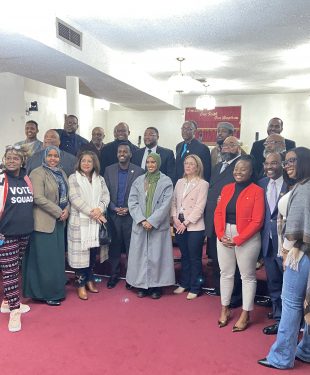
In February, a local imam invited me to speak to immigrant men from Senegal, Mauritania and Gambia-and many fresh from the jungles of Latin America, seeking asylum in the U.S. They sat cross-legged on mosque floors, faces etched with fatigue and anxiety, listening through interpreters for a glimmer of hope.
Soon came calls from pastors, Brazilian community leaders, Haitian church elders. The Brazilians-lawyers, accountants and other professionals-had entered on valid visas and built promising careers. Now they were scrambling for answers on how to remain.
The Haitians’ fear was more immediate. Many had fled political instability and gang violence, relying on temporary protected status or the CBP Home humanitarian parole program. Both had been abruptly canceled. Those admitted under parole were told to “self-deport.”
For over two decades, immigration lawyers worked within a stable framework. In 2025, that stability collapsed. ICE and USCIS began issuing new rules weekly, stripping constitutional safeguards, truncating due process, and rendering longstanding practices obsolete.
One change in interpretation or enforcement could shatter a client’s life.
One client, a 66-year-old lawful permanent resident for more than 30 years, was detained by ICE while returning from a visit to Mexico last March. The reason? An 18-year-old misdemeanor assault involving a family dispute with his son-in-law, resolved without jail time and long since reconciled. Labeling him a
“danger to the community,” ICE placed him in removal proceedings, denied bond and kept him in detention-despite his age, his service-member grandson, and his diabetes. This one had a happy ending: The judge agreed with my argument that he should be freed.
Immigration judges hired by the Department of Homeland Security face pressure to expedite deportations or risk losing their positions. For attorneys, this means walking into a courtroom where the judge and opposing counsel-both DHS employees-operate under the same directive: removal.
The balance is skewed before opening arguments are made.
This is the new era of immigration practice: unpredictable, urgent, and often unforgiving. We defend clients with everything at stake, knowing the rules may change between hearings.
For those of us standing between immigrants and deportation, the fight is no longer just about legal advocacy-it is about preserving the very notion of fairness in a system designed to expedite removal. The challenge is steep, but the duty is clear. We must keep fighting.
Emmanuel Olawale practices immigration and plaintiff’s personal injury law at The Olawale Law Firm in Westerville, Ohio. The article was first published in the Ohio Super Lawyers Magazine.
Support the New Americans magazine to continue to serve our community with precise news that affects the new American, immigrant and refugee community. https://paypal.com/donate/? Dr;/.hosted_button_id=8LHFS78NRNJJY&source=url












Leave a Reply
You must be logged in to post a comment.