



















By Peaches Calhoun

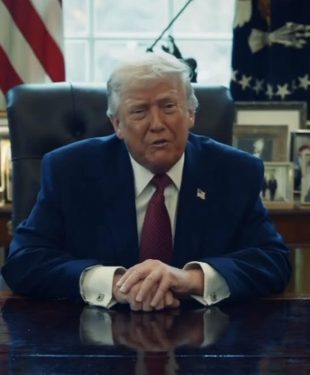
The December 17, 2025, presidential address wasn’t a State of the Union, it was a year-end national address, a moment when the executive branch steps forward to speak directly to the American people. These addresses are tradition, not law. They shape narrative, not statute.
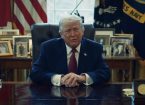
President Donald J. Trump delivered the speech, touching on economic conditions, military compensation, immigration, and energy, including references to energy policy and broader national direction.
For citizens seeking civic understanding over partisan reaction, it helps to consider not just what was said, but how and why such remarks matter in the architecture of American governance.
Throughout the speech, the president framed his first year back in office as a turnaround from problems he said the country previously faced. One of the early assertions set the tone:
“Good evening, America. Eleven months ago, I inherited a mess, and I’m fixing it.”
On economic prospects, the president used optimistic language that tied future potential to current direction:
“What a difference a year makes…We’re poised for an economic boom the likes of which the world has never seen.”
While the speech covered familiar ground on inflation, jobs, and wages, it also included a concrete proposal: a military stipend.
“We will be sending checks for $1,776 to U.S. troops before Christmas, a recognition of service and sacrifice.”
The use of $1,776, a nod to the nation’s founding year, reflects the rhetorical choices leaders often make to tie policy ideas to national symbolism.
Although the 2025 year end address did not dwell extensively on energy policy, references to energy occurred within the context of economic conditions and national priorities. Past statements from this administration have emphasized domestic energy production and reducing regulatory constraints — repeatedly positioning those goals as key to economic strength.
In this address, the president claimed that energy prices were coming down and tied that to broader economic messaging, using it to illustrate perceived progress under current policy.
For those wondering about the specifics of renewable energy policy or climate initiatives, it’s worth noting that detailed frameworks on those subjects were not a central feature of this speech.
A national address is a platform for executive messaging, not a policy enactment tool. It does not:
Create laws — only Congress can do that
Appropriate funds — that is a legislative responsibility
Bind states or agencies legally — speeches express intent, not authority
Instead, such addresses help frame how the administration wants the public to view progress, challenges, and national direction heading into the next year. This is narrative shaping, not statutory action.
Here are a few of the remarks from the speech itself to give texture to the civic analysis above:
“Good evening, America. Eleven months ago, I inherited a mess, and I’m fixing it.” — framing opening line about the state of the nation. n.” — economic optimism centered on future growth.
“The checks are already on the way.” — reference to the planned military payments.
These lines reflect how presidents use concise phrases to anchor broader narratives — and why citizens benefit from listening with institutional understanding, not just partisan applause or critique.
Civic Context: Executive vs Legislative Authority
The President (Executive Branch):
- Speaks to the nation and sets administrative priorities, Proposes budgets and policy directions, Executes and enforces laws once passed
Congress (Legislative Branch):
- Enacts laws and appropriates funds, Holds the power of the purse — deciding how taxpayer dollars are allocated, Reviewed, approved, or rejected executive proposals.
Presidential speeches articulate intent and direction, but real implementation of new initiatives (like payments, energy programs, or tax changes) depends on future legislative action or administrative rulemaking.
Support the New Americans magazine to continue to serve our community with precise news that affect the new American, immigrant and refugee community. https://paypal.com/donate/?hosted_button_id=8LHFS78NRNJJY&source=url









Leave a Reply
You must be logged in to post a comment.