 By

Bill Gates
By Bill Gates
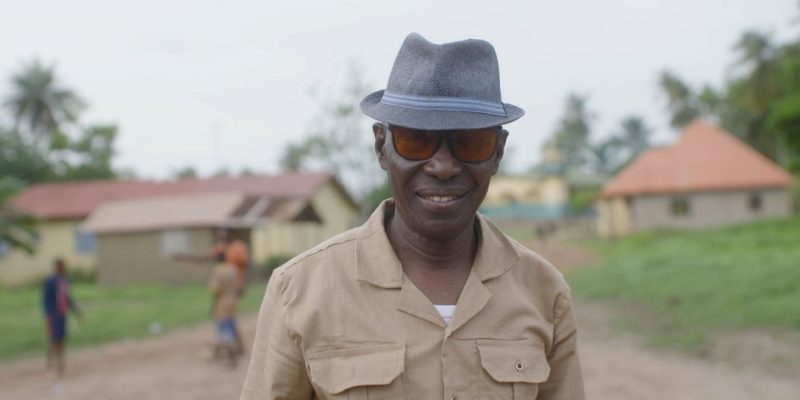
The first sleeping sickness patient that Dr. Mamadou Camara ever diagnosed and treated was brought to him tied up. He’d become so agitated that people around him thought he’d gone mad or been cursed by someone practicing witchcraft; they didn’t know what else to do.
A year later, a healthy young man walked up to greet him, but Mamadou had no idea who he was. Someone had to tell him: “That’s Barry!”
“That is one of the most dramatic aspects of the disease,” said Mamadou. “It takes away your human soul.”

Mamadou is Guinea’s national coordinator for neglected tropical diseases (NTDs), and he’s spent more than 30 years fighting sleeping sickness. In January 2025, the World Health Organization confirmed that Guinea had eliminated the disease as a public health problem—the first NTD the country had ever beaten. A lot of people made that possible, but few have been at it as long as Mamadou.
A parasite in the brain
Sleeping sickness—also known as human African trypanosomiasis (HAT)—is caused by a specific type of trypanosome parasite, carried by tsetse flies, that gets transmitted to people when the flies bite. There are two forms of the disease, but Guinea’s, called gambiense, is the most common. At first, it manifests a lot like malaria with fever, headaches, and exhaustion. But once the parasite crosses into the brain, behavior starts to change. People become confused and agitated, and many begin sleeping during the day and lying awake at night, which is how the disease got its name. Without treatment, it leads to psychosis and eventually death.
One of the crueler parts of sleeping sickness is that late-stage patients don’t normally know they’re sick. “A person with trypanosomiasis is heartbreaking to see,” Mamadou said. “The disease eats away at them, and yet they are not aware of it.”
The disease that came back
Guinea has beaten sleeping sickness once before. At least the country thought it had. Campaigns to control the disease in the middle of the last century brought the number of cases down so much that by the 1960s, people believed the disease was gone. The programs to fight it were shut down. Unfortunately, the parasite kept circulating under the radar, and in the early 1990s, it resurfaced.
Support the New Americans magazine to continue to serve our community with precise news that affect the new American, immigrant and refugee community. https://paypal.com/donate/?hosted_button_id=8LHFS78NRNJJY&source=url