 By
By Okon Ekpenyong
The National Folk Festival has celebrated America’s traditional arts and cultures since 1934. Okon Ekpenyong, in this interview with Blaine Waide, Executive Director, National Council for the Traditional Arts traced the beginning of the program to present day, concluding that, “by honoring traditional arts from across cultures, the National Folk Festival strengthens social cohesion and cultural understanding in our nation’s complex cultural communities.”
How has the festival evolved over the decades, and what makes this year’s celebration in Jackson particularly significant?
For most of its 90-plus years, the National Folk Festival has been a traveling festival, moving from community to community across the country, and honoring the artistic traditions of all Americans. However, in the early 1980s, the National adopted a new, more intentional approach in developing its current iteration. The festival moves to a new host city on a three-year cycle, working with cities and other local partners to establish a large-scale, multicultural, free traditional arts festival that takes place in the downtown streets and green spaces of the host community.
During the three-year residency, the festival eventually draws crowds in excess of 150,000 people, delivering lasting economic, cultural, and social benefits, while also driving downtown revitalization and renewed civic pride. After the festival moves to its next host city, the host community launches a locally produced festival that continues the National’s legacy. In this way, the National seeds sustainable, local folk and traditional arts events across the country.
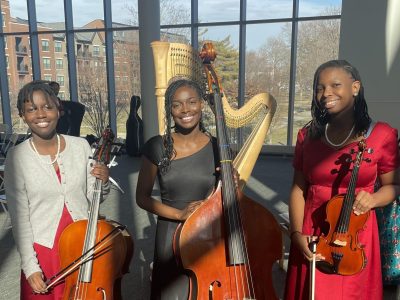
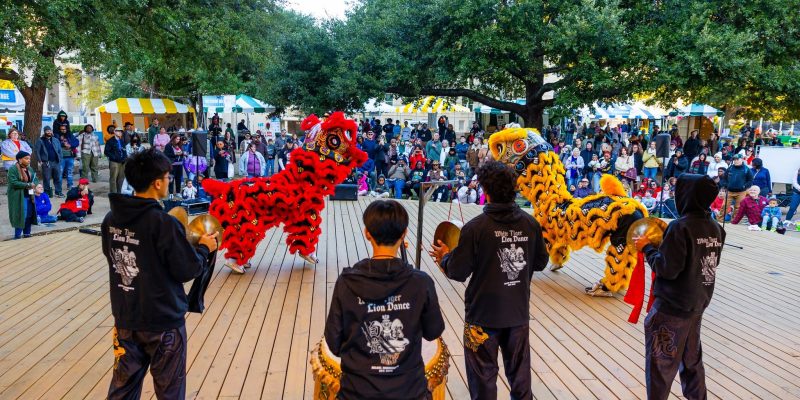
The festival structure and programmatic vision was also solidified in the move to a three-year residency. Embodied in the concept of “something for everyone,” the festival has nonstop music and dance performances, a crafts marketplace, a participatory dance pavilion, food courts with local and international cuisine, an interactive family area, and an area devoted to celebrating the host city’s local and regional folk life. Within these key festival experiences, the National is guided by a forward-looking view of traditional culture. The traditions presented at the festival are not stuck in the past. Rather, what is traditional is always changing. Today a National Folk Festival program may include everything from blues, gospel, honky-tonk, bluegrass, and Irish music, to hip hop, salsa, breakdancing, lowrider culture, and skateboarding.
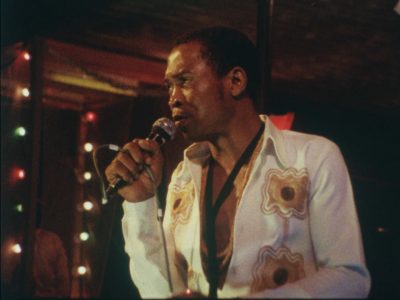
Mississippi considers itself the “birthplace of America’s music.” It is the home of Jimmie Rodgers, Robert Johnson, Muddy Waters, Elvis Presley, B.B. King, Marty Stuart, and so many more. You cannot tell the story of American popular music and rock and roll without Mississippi. It has contributed as much as any state to America’s legacy of artistic and musical excellence. The National’s residency coincides with the 250th anniversary of our nation, and there is truly no better place to stage a celebration of the roots, richness, and variety of American culture during this historic commemoration and celebration. It’s as if the festival is coming home.
This year’s festival brings together more than 300 artists, musicians, dancers, storytellers and craftspeople. How does the festival recognize the cultural contributions of immigrant communities and the many traditions that shape America’s identity?
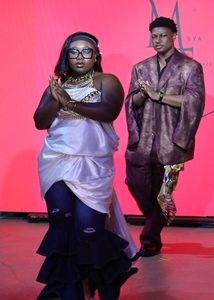
The National Folk Festival celebrates the artistic traditions of all Americans, from those whose families have been here for millennia to our newest arrivals. Our programs attempt to make everyone feel represented on stage. It is especially important to learn about emerging immigrant communities in the host community, and to program the festival inclusively, reaching communities that are often on the periphery in their new home. In so doing, we make the statement that the diverse mix of traditions collectively represent the traditions of the American people. We see each festival as a snapshot of the country at that point time in time, capturing a representation of a constantly changing tapestry of artistic expression. Through thoughtfully curated live programs, the festival creates dynamic encounters that build bridges and create understanding between artists and audiences from different cultural backgrounds.
As the United States marks its 250th anniversary, what message do you hope visitors take away about cultural heritage, belonging and the role of traditional arts in bringing Americans together?
Each National Folk Festival is like holding up a mirror to the nation and seeing its complicated, beautiful and diverse living cultural heritage reflected back. In this way, the National presents an opportunity for artists and audiences from widely different backgrounds to develop increased awareness and appreciation of different cultural traditions. Traditional arts create new possibilities for deeper empathy and cross-cultural understanding. As a result, the festival enables attendees to respect and embrace difference. It is a celebration that prioritizes what we have in common, not what separates us. By honoring traditional arts from across cultures, the National Folk Festival strengthens social cohesion and cultural understanding in our nation’s complex cultural communities.
Support the New Americans magazine to continue to serve our community with precise news that affect the new American, immigrant and refugee community. https://paypal.com/donate/?hosted_button_id=8LHFS78NRNJJY&source=url