 By
By Ohio Chamber of Commerce 2026 Economic Forecast Shows State Debt at Lowest in a Decade
The Ohio Chamber of Commerce 2026 Economic Forecast centered on how Ohio is managing its capital budget, strengthening its fiscal position, and maintaining record state savings, while continuing to invest in workforce, education, and community development to keep the state competitive in the years ahead.
Business experts and economists at the January 23, 2026, event also provided state-level strategies to the broader national economic climate under the current administration, offering context for how federal trends shape Ohio’s outlook. The conversations surrounding how tariffs and federal cuts may be influencing business confidence were also at the forefront.
When it came to jobs reporting, per a report by CCE Online News, the 2025 monthly average shows 49,000–50,000 jobs added —a steep drop from 2024’s pace. December reporting only closed with just 50,000 new jobs, raising concerns about a cooling labor market rather than steady growth.
Economists at the event echoed these concerns, pointing out that weakening hiring—especially in construction, retail, and manufacturing—signals a more challenging economic environment heading into early 2026.
Experts also believe that some of the job market drop was due to several ICE operations across states, which affected industries that rely heavily on immigrant labor, including construction, agriculture, and hospitality, contributing to production slowdowns and labor shortages.
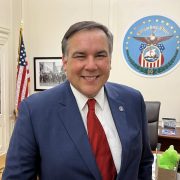
Kimberly Murnieks, Director of the Ohio Office of Budget and Management, provided a detailed look at how Ohio is allocating its resources. She highlighted the state’s strong financial health and the strategic investments designed to support existing programs and long‑term growth. She also addressed how federal cuts to refugee and resettlement programs create funding gaps, explaining that while the state capital budget does not automatically replace lost federal dollars, it does provide funding for other programs.
But within the Department of Youth and Family Services, for example, they have existing programs that use their operating funds, grants, or community‑focused initiatives to support local organizations.
Murnieks continued to emphasize the DeWine administration’s efforts to reduce state debt and the continued trend of revenue collections outperforming expectations. “She also noted how the administration is directing the budget toward workforce development, education, and community projects—initiatives aimed at keeping graduates in Ohio, attracting new businesses, and building a more resilient economy.”
“Data presented today showed that Ohio has reached several historic fiscal milestones. The Rainy-Day Fund is nearing $4 billion, the highest in state history. Innovative debt‑management strategies have saved taxpayers more than $1.3 billion in future interest, and the state’s capital debt is at its lowest level in nearly a decade, reinforcing Ohio’s reputation for responsible financial management, the director said.
Ohio’s economic diversity is noteworthy, ranking #6 on Moody’s Industrial Diversity Index, up from #8 in 2023. The balanced economy spans finance, manufacturing, healthcare, and professional services. December’s nonfarm employment reached 5.708 million, with an unemployment rate of 4.5%, and state revenues exceeded estimates by over $500 million.
Looking ahead, Murnieks outlined several capital‑budget priorities under “Bold Beginnings,” “Strong Communities,” and “People and Workforce.” These include investments in school safety, broadband expansion, career‑tech education, and the Governor’s Merit Scholarship—programs designed to strengthen communities and improve quality of life across the state. These initiatives also help explain how Ohio plans to stay competitive even as national economic pressures intensify.
The event concluded with a panel discussion featuring Moderator Joe Simkins of TEConomy Partners, Ben Demko of KeyBank, Marques Highland, and Dr. Amanda Einstein of the Center on Rural Innovation. The panel explored the impact of AI on business productivity, noting that while AI can help smaller firms compete with larger companies, the return on investment can be modest without proper training and workforce support.
They further discussed the challenges of a “hollowed-out middle” economy, with luxury and discount markets thriving while middle-income consumers continue to struggle. “Businesses must invest in workforce development, broadband, and quality-of-life improvements to stay competitive,” Demko said.
“Investing in people is the key to long‑term economic success, because they are the ones who ultimately drive innovation, resilience, and growth,” all four speakers said.
Support the New Americans magazine to continue to serve our community with precise news that affect the new American, immigrant and refugee community. https://paypal.com/donate/?hosted_button_id=8LHFS78NRNJJY&source=url