 By
By Heroes of the Bhutanese Refugee Community: Not Just a Birthday
By Ram Karki
𝐌𝐢𝐧𝐨𝐫 𝐒𝐮𝐤𝐛𝐢𝐫 𝐬𝐮𝐫𝐯𝐢𝐯𝐞𝐝 𝐭𝐡𝐞 𝐭𝐨𝐫𝐭𝐮𝐫𝐞 𝐚𝐧𝐝 𝐢𝐧𝐡𝐮𝐦𝐚𝐧 𝐞𝐯𝐢𝐜𝐭𝐢𝐨𝐧 𝐢𝐧 𝐁𝐡𝐮𝐭𝐚𝐧, 𝐬𝐮𝐫𝐯𝐢𝐯𝐞𝐝 𝐬𝐞𝐯𝐞𝐫𝐚𝐥 𝐝𝐚𝐲𝐬 𝐨𝐟 𝐰𝐚𝐥𝐤𝐢𝐧𝐠 𝐢𝐧 𝐭𝐡𝐞 𝐰𝐢𝐥𝐝 𝐣𝐮𝐧𝐠𝐥𝐞𝐬 𝐨𝐟 𝐀𝐬𝐬𝐚𝐦 𝐚𝐧𝐝 𝐖𝐞𝐬𝐭 𝐁𝐞𝐧𝐠𝐚𝐥 𝐰𝐡𝐢𝐥𝐞 𝐫𝐮𝐧𝐧𝐢𝐧𝐠 𝐭𝐨 𝐬𝐭𝐚𝐲 𝐚𝐥𝐢𝐯𝐞 𝐚𝐧𝐝 𝐟𝐢𝐧𝐚𝐥𝐥𝐲 𝐬𝐮𝐫𝐯𝐢𝐯𝐞𝐝 𝐭𝐡𝐞 𝐦𝐨𝐬𝐭 𝐝𝐚𝐧𝐠𝐞𝐫𝐨𝐮𝐬 𝐩𝐞𝐫𝐢𝐨𝐝 𝐨𝐟 𝐭𝐡𝐞 𝐁𝐡𝐮𝐭𝐚𝐧𝐞𝐬𝐞 𝐫𝐞𝐟𝐮𝐠𝐞𝐞 𝐡𝐢𝐬𝐭𝐨𝐫𝐲 𝐚𝐭 𝐌𝐚𝐢𝐝𝐡𝐚𝐫, 𝐛𝐮𝐭 𝐝𝐞𝐬𝐩𝐢𝐭𝐞 𝐬𝐮𝐫𝐯𝐢𝐯𝐢𝐧𝐠 𝐚𝐥𝐥 𝐬𝐮𝐜𝐡 𝐥𝐢𝐟𝐞-𝐭𝐡𝐫𝐞𝐚𝐭𝐞𝐧𝐢𝐧𝐠 𝐬𝐭𝐚𝐠𝐞𝐬 𝐨𝐟 𝐡𝐢𝐬 𝐥𝐢𝐟𝐞 𝐞𝐥𝐝𝐞𝐫 𝐛𝐫𝐨𝐭𝐡𝐞𝐫 𝐁𝐡𝐢𝐦 𝐡𝐚𝐬 𝐭𝐨 𝐝𝐢𝐞 𝐥𝐚𝐭𝐞𝐫 𝐢𝐧 𝐚𝐧 𝐢𝐦𝐩𝐫𝐨𝐯𝐞𝐝 𝐬𝐭𝐚𝐠𝐞 𝐚𝐭 𝐁𝐞𝐥𝐝𝐚𝐧𝐠𝐢 𝟏.
When I got up this morning, I saw on Sukbir Rai’s (known on his Facebook as Lorung Rai) Facebook that it was his 43rd birthday. His family and friends have started wishing him a happy birthday. I also usually write a quick happy birthday on Facebook when I see somebody having a birthday. In contrast, because of Sukbir’s unique connection to the struggle and survival as a child, a minor Bhutanese, and a refugee, I thought of writing a short survival story about him as a small Bhutanese refugee child.
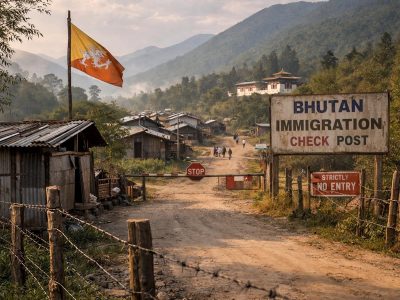
I still see in Sukbir a small boy half naked in a malnourished state of health some 33 years ago, accompanying his mother, Chandra Maya Rai, father, Tawkey Rai, elder brother Bhim Rai and younger brother Buddhiman Rai, struggling to survive, looking for a safe place after undergoing brutal torture, harassment, loot from the Bhutan security forces before being forcefully evicted from their home in a small rural village named as Pinkhwa of Sarbhang district in Southern Bhutan end 1990.
As a small boy, Sukbir was one of the 91 most vulnerable, tortured and raped Bhutanese who formed the first organised group of Bhutanese who started taking shelter at Nepal’s Maidhar, which later transformed into a large UNHCR-aided Bhutanese refugee camp.
Sukbir, as a minor child, together with other kids, namely Sudan Thulung, Meena Thulung, Nar Maya Khatiwada, Lila Guragai, Khina Basnet, Surja Khatiwada, Santey Subba, Mangali Karariya, Budhey Monger, Buddhiman Rai, Sabitri Khatiwada and several others, were the first group of children who started the open-air class in Maidhar during the early period of the Bhutanese refugee camp in Maidhar. This class later converted into a makeshift school as the number of students increased due to the sudden influx of the evicted Bhutanese in the camp.
I vividly remember how Sukbir, along with his other friends, used to collect coins thrown by the bus passengers and pilgrims in the bed of the river mai and helped his mother buy food for the family.
His mother, Chandra Maya Rai, was the assistant to Indrawati Rai, whose job was to look after the general welfare of the campmates, especially the women who were sick, raped and pregnant. Besides fulfilling her responsibilities, Chandra Maya Rai brought up her sons, Buddhiman, Sukbir and Bhim. Still, unfortunately, she could not save her elder son, Bhim, who initially survived in Maidhar but could not survive later at Beldangi, where he died while I was carrying him on my lap to the only operational health post there.
After struggling in refugee camps for decades, Sukbir and his family resettled in the USA in late 2000. He now leads an everyday life with his wife, children, and mother in Tennessee. His younger brother, Buddhiman, lives with his wife and children a few meters away. Unfortunately, his father, Tawkey Rai, could not be resettled due to his absence during the process. He is still awaiting a family reunion in the Beldangi camp.
During my visit to Tennessee, USA, in 2020 and 2022, I visited him. I felt proud of him; he was happy, healthy, and prosperous. However, I felt sad because he was still away from his father. I hope he gets to reunite with his beloved father very soon.
Minor Sukbir and his family survived the torture and inhuman eviction in Bhutan, survived several days of walking in the wild jungles of Assam and West Bengal while running to stay alive and finally survived the most dangerous period of the Bhutanese refugee history at Maidhar, but despite surviving all such life-threatening stages of their life elder brother Bhim has to die later in an improved stage at Beldangi 1.
Once again, I wish Happy Birthday to one of the rare heroes of the Bhutanese refugee community who was forced to struggle to survive since childhood and overcame all those life-threatening situations. The USA understood his sufferings like thousands of other fellow Bhutanese refugees. It thus offered a dignified place to spend the rest of his life with honour and dignity.
Thus, please celebrate your birthday as a proud citizen of the world superpower, the USA, Sukbir. Congratulations! (Ram Karki, One of the three founders of Bhutanese refugee camp in Maidhar in Februay 1991)
Support the New Americans magazine to continue to serve our community with precise news that affect the new American, immigrant and refugee community. https://paypal.com/donate/?hosted_button_id=8LHFS78NRNJJY&source=url