 By
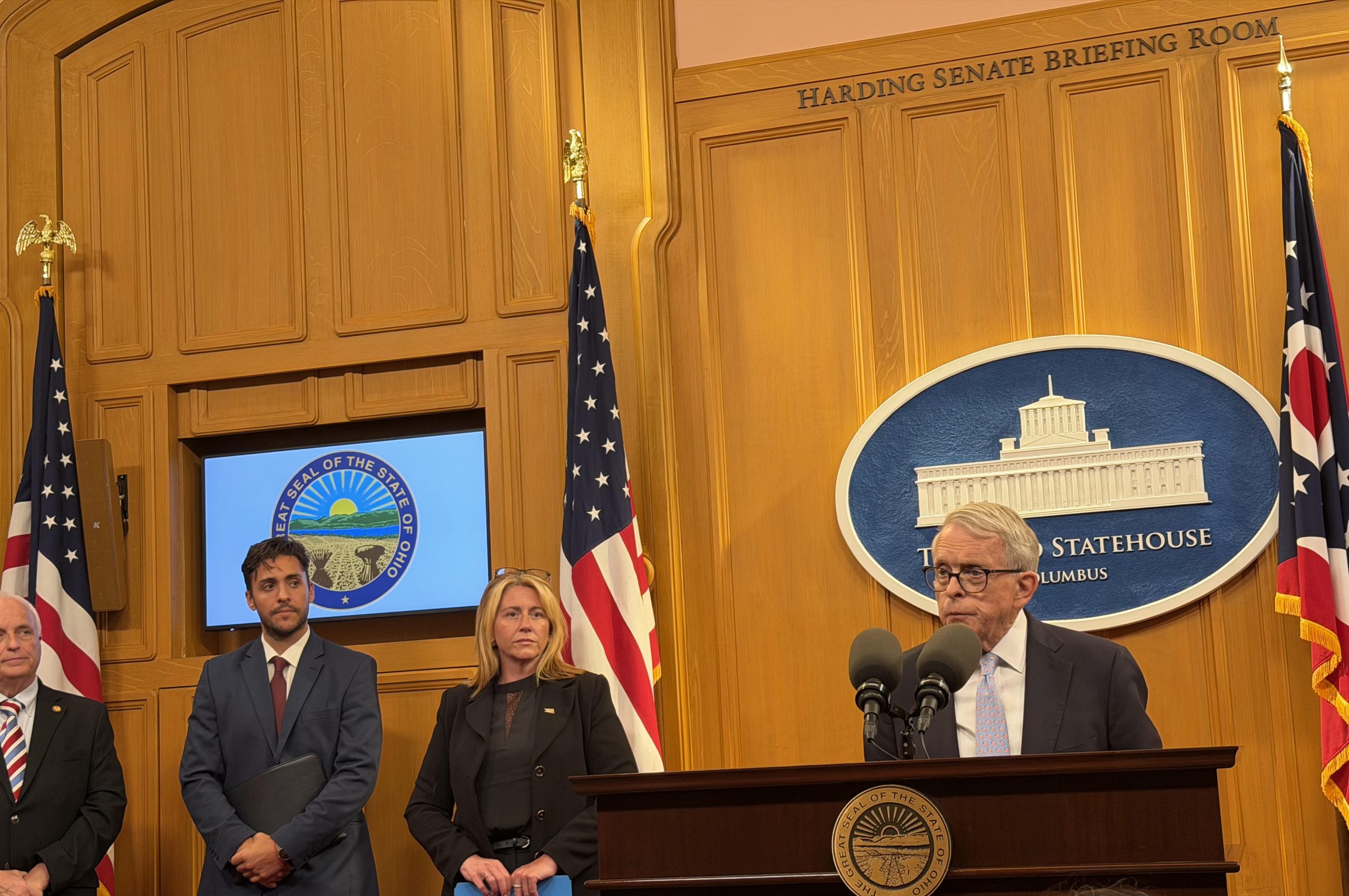
By Ohio Governor Mike DeWine has signed Executive Order 2026-03D, which gives the Ohio Department of Behavioral Health (DBH) the authority to create a statewide certification program for recovery housing operators.
The announcement reflects the Administration’s commitment to proactively identifying and combatting potential fraud, waste, and abuse. It also builds upon Governor DeWine’s long-standing work to increase the capacity of substance use treatment across the state and reduce the stigma associated with seeking treatment.
“Recovery housing provides hope, stability, and a pathway to long-term recovery for thousands of Ohioans,” said Governor DeWine.
“As Ohio continues to invest in behavioral health and recovery services, we have a responsibility to ensure these programs operate with the highest levels of accountability, transparency, and integrity. The state will strengthen oversight with these new emergency rules while supporting the Ohioans who are on their road to recovery.”
Recovery housing offers safe, substance-free living environments where individuals can build healthy routines, develop life skills, and receive peer support while continuing their recovery journey.
Over the last four years, there has been significant growth in recovery houses operating across the state. In 2022, there were 356 recovery houses in operation, and today, there are more than 1,700.
With this rapid growth, DBH has identified the recovery housing industry as an area the state can proactively improve needed oversight before potential issues with fraud, waste, and abuse become widespread. For example, there has been a growing number of recovery houses opening and operating without necessary certification and with unsafe, poor living conditions, particularly in southern Ohio.
Under the new emergency rules, DBH will implement a centralized, state-administered certification program with higher-quality standards for certification. DBH will also have direct authority to receive complaints, investigate potential issues, and enforce compliance at these homes. This authority also gives DBH direct oversight to refer any potential cases of fraud, waste, and abuse to the Ohio Attorney General’s Office.
“This transition is about building a stronger recovery housing system for the future,” said DBH Director Tia Marcel Moretti.
“Most recovery housing providers are dedicated professionals who work tirelessly to help Ohioans rebuild their lives. They deserve a fair, transparent, and consistent regulatory framework that recognizes quality, protects residents, and promotes public trust.”
Attorney General Andy Wilson joined Governor DeWine today to discuss enforcement of the new certification program.
“My office stands ready to assist the Department of Behavioral Health and local prosecutors,” AG Wilson said. “We have zero tolerance for fraud. If bad actors try to exploit this program, we will deploy the full weight of our legal resources to hold them accountable and ensure compliance.”
Under the new oversight structure, the Ohio Department of Behavioral Health will:
- Administer certification for recovery housing operators statewide.
- Establish and maintain higher, consistent statewide standards.
- Strengthen monitoring and compliance.
- Improve transparency and accountability.
- Enhance protections for residents while supporting long-term recovery outcomes.
Governor DeWine was also joined today by State Representative Justin Pizzulli (R-Scioto County) and State Senator Terry Johnson (R-McDermott).
“When someone reaches out their hand for help, we have a responsibility to make sure the hand reaching back isn’t there to exploit them,” said Representative Justin Pizzulli. “I’d like to thank Governor DeWine and Director Moretti for listening and taking action. Today marks a new chapter for Southern Ohio.”
“I have never met a single person who hasn’t wanted to see someone recover from drug addiction,” said Senator Terry Johnson. “Yet, Scioto County is bearing much of that burden for the state, and that is difficult for many in our community to reconcile, to the point there has even been a backlash against those trying to get well. Now, this executive order addresses the bad actors in recovery housing, and that is a big part of the problem. It is my hope that this order will relieves some of that burden. Legislation often moves slowly, the people want a solution now.”
State Representative Brian Lorenz (R-Powell) has also been working on this issue related to important zoning laws.
“Recovery housing plays an important role in helping Ohioans move toward long-term recovery, and we need a system that protects residents while allowing responsible providers to do their work,” said State Representative Brian Lorenz.
“As we strengthen standards and accountability at the state level, we also need to make sure our local communities have the right tools to address how recovery housing fits within their neighborhoods. Ohio’s zoning laws need to keep pace with the realities facing communities today. I am working in the General Assembly to modernize those laws, preserve local decision-making, and give communities greater flexibility to address unique housing and land-use challenges without creating unnecessary barriers to responsible development.”
The Department will work closely with recovery housing operators, local behavioral health partners, county Alcohol, Drug Addiction and Mental Health (ADAMH) Boards, recovery advocates, and other stakeholders throughout implementation to ensure an orderly transition with minimal disruption to residents.
Support the New Americans magazine to continue to serve our community with precise news that affect the new American, immigrant and refugee community. https://paypal.com/donate/?hosted_button_id=8LHFS78NRNJJY&source=url