 By
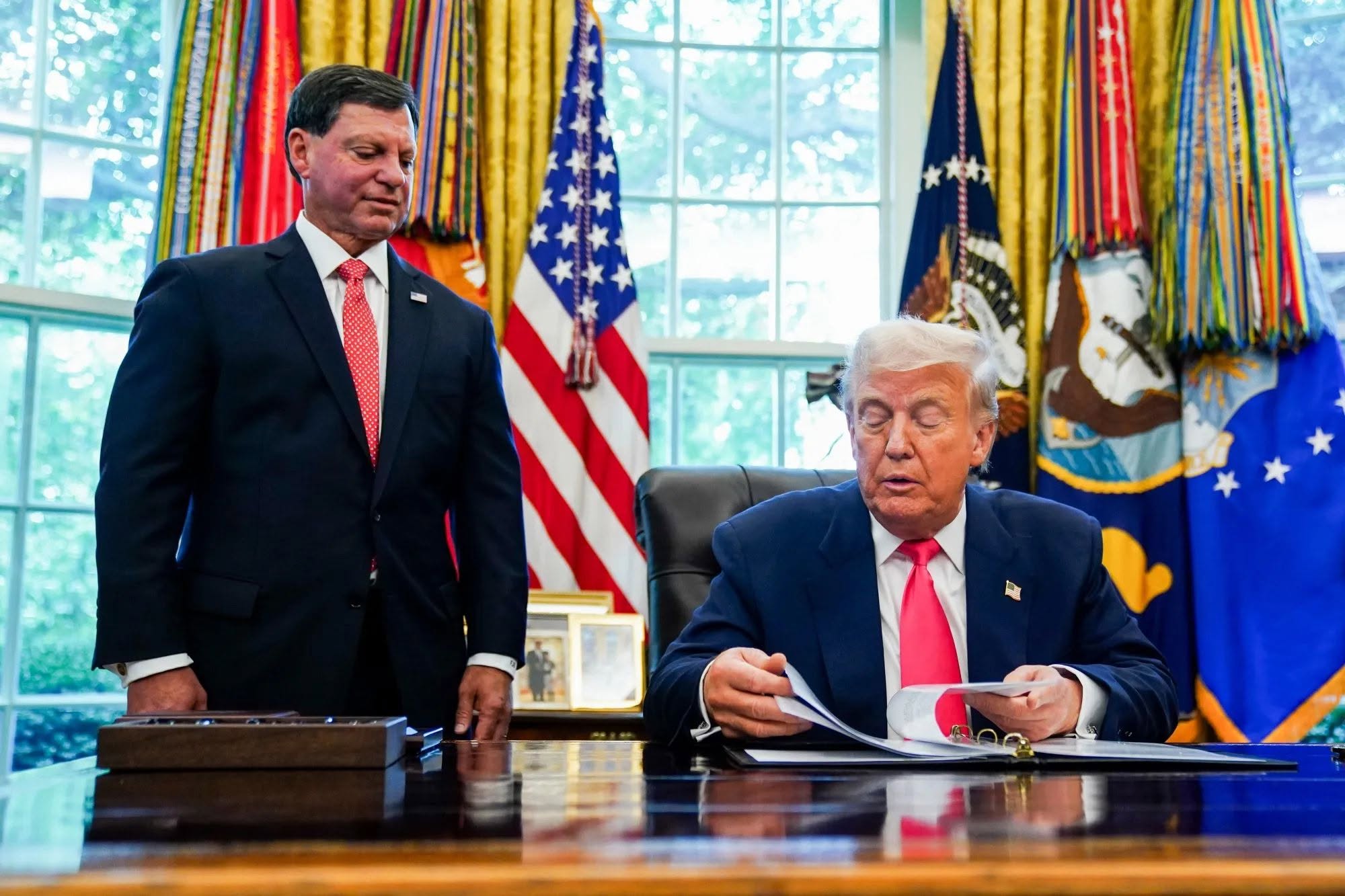
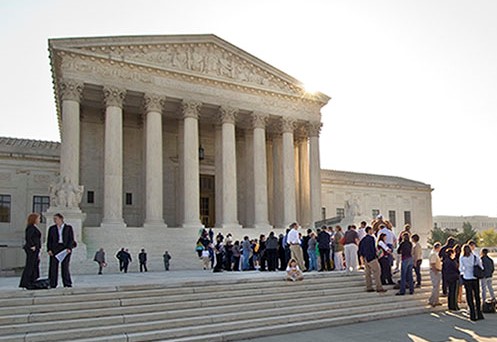
By The Supreme Court on Tuesday upheld a broad conception of birthright citizenship, rejecting President Donald Trump’s executive order declaring that children born to parents who are in the United States illegally or temporarily are not American citizens, according to AP.
The decision, in line with the longstanding judicial interpretation of the 14th Amendment, comes on the final day of a Supreme Court term that has centered on Trump’s expansive claims of presidential power — and largely ruled in his favor.
In upholding a broad conception of birthright citizenship, the court rejected President Donald Trump’s executive order declaring that children born to people who are in the United States illegally or temporarily are not American citizens.
The justices relied on a long-settled understanding of the 14th Amendment, adopted after the Civil War, and more recent federal laws in ruling that anyone born in the country, with very limited exceptions, is a citizen.
The Republican president’s restrictions had been blocked by several lower courts and had not taken effect anywhere in the U.S.
During arguments in April, both conservative and liberal justices questioned the order’s legality in a momentous case that was magnified by Trump’s unprecedented attendance in the courtroom.
Unlike much of the world, birthright citizenship is common across North, Central and South America. Many legal historians believe the roots of that geographic divide reach back more than 500 years, when European nations began sending settlers to their American colonies.
Europe’s aristocrat rulers wanted to encourage people to move to the colonies, but those colonists wanted their children — even if born overseas — to hold on to their European citizenship.
The practice remained in place as independence movements began to take shape and as independent nations began to emerge.
“By then, their legal traditions had already started to form,” said César Cuauhtémoc García Hernández, a law professor at Ohio State University. “So by and large they continued some of the key legal practices of the colonial European governments that they had just severed ties with.”
“Trump’s attempted assault on the 14th Amendment was dealt a major blow today. This decision is a powerful affirmation of the Constitution and the enduring promise of equality it represents,” said NAACP President Derrick Johnson.
“For over 150 years, the Fourteenth Amendment has guaranteed citizenship to everyone born in this country. Today, the court rightly rejected efforts to undermine that core protection and instead upheld a principle that is essential to our democracy.”
Support the New Americans magazine to continue to serve our community with precise news that affect the new American, immigrant and refugee community. https://paypal.com/donate/?hosted_button_id=8LHFS78NRNJJY&source=url