 By
By From Tatar Villages to Columbus: How Eid Celebrations Connect Cultures, Communities, and Generations
Irina Perry
By Irina Perry
Each year, Muslim communities around the world gather to celebrate two of the most important holidays in Islam: Eid al-Adha and Eid al-Fitr.
In Columbus, Ohio—home to one of the largest Somali and East African communities in the United States—these celebrations bring together thousands of families for prayer, cultural traditions, and community gatherings.
Mosques, community centers, and parks become vibrant spaces filled with laughter, colorful traditional clothing, music, and shared meals. Families greet one another with the phrase “Eid Mubarak,” meaning “Blessed Eid.”
For many immigrants, these celebrations are not only religious observances but also powerful reminders of heritage and identity.
The Meaning of Eid al-Adha
Eid al-Adha, often called the Festival of Sacrifice, commemorates the devotion of the prophet Ibrahim, who was willing to sacrifice his son in obedience to God. According to Islamic tradition, God provided a ram instead.
The holiday begins with early morning prayers at mosques and large gathering places. In Columbus, thousands attend Eid prayers organized by institutions such as Noor Islamic Cultural Center and Masjid Omar Ibn El-Khattab.
After prayer, families spend the day visiting relatives and neighbors, sharing meals, and supporting those in need through charity. Generosity and compassion are at the heart of the celebration.
A City Alive with Culture
Columbus has become a vibrant hub for East African culture. During Eid celebrations, Somali, Ethiopian, and Sudanese families gather in parks and community spaces across the city.
Women often wear elegant dirac dresses and colorful headscarves, while men and children dress in their finest clothing. Traditional dishes fill the tables—fragrant rice, roasted lamb, sambusas, tea, and sweet pastries.
Children eagerly anticipate the holiday, receiving gifts, sweets, and spending time with friends and family. Music, laughter, and storytelling create a joyful atmosphere that strengthens bonds across generations.
The “Sugar Feast” After Ramadan
Another beloved Muslim holiday is Eid al-Fitr, often affectionately known as the “Sugar Feast.”
In Turkish culture it is called Şeker Bayramı, meaning “Sugar Festival.” The celebration marks the end of the holy month of Ramadan, when Muslims fast from sunrise to sunset, focusing on prayer, reflection, and charity.
Eid al-Fitr is celebrated on the first day of Shawwal.
Families begin the day with special prayers at the mosque, followed by gatherings at home where tables are filled with sweets, pastries, desserts, and tea for guests.
Children visit relatives, receive gifts, and enjoy the joyful atmosphere that celebrates the completion of the month of fasting.
A Personal Connection to Tradition
For many families, Eid traditions are passed down through stories and memories. For my own family, these traditions connect back to my grandmother’s heritage in a Tatar village in Russia.
The Volga Tatars, who have lived for centuries in the region of Tatarstan, preserved their cultural and religious traditions despite changing political times.
My grandmother often shared stories about how families prepared for Eid in their village. Adults would wake early for prayers and spend the day visiting relatives and neighbors. Homes welcomed guests with tables filled with homemade dishes, sweets, and tea.
These traditions emphasized hospitality, generosity, and respect for elders—values that continue to shape Eid celebrations today.
A Living Tradition in Columbus
Today, those traditions continue to thrive in cities like Columbus. Somali, Ethiopian, Sudanese, Turkish, and Tatar families each bring their own cultural expressions to the celebration.
Yet the message of Eid remains universal: faith, gratitude, generosity, and community.
For immigrants building new lives in the United States, Eid celebrations connect memories of the past with the future being created in new communities.
Gratitude for Community and Journalism
Being part of the immigrant community has profoundly changed my life over the past eight months. Through my work and engagement with community events, I have had the opportunity to meet inspiring people who are building bridges between cultures and communities.
I am especially grateful to Deba Uwadiae, CEO and journalist of The New Americans Magazine, whose dedication to storytelling continues to uplift immigrant voices across Columbus and beyond.
Through journalism, community engagement, and cultural storytelling, The New Americans Magazine has created a platform where diverse communities can share their traditions, achievements, and journeys.
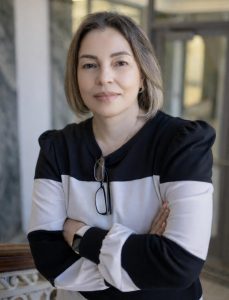
Irina Perry is a multimedia journalist, photographer, and community storyteller based in Columbus, Ohio. She is a contributor to The New Americans Magazine, where she covers cultural events, immigrant stories, and community initiatives across Central Ohio. Irina is also the founder of Perry’s Media Production, using photography, video, and storytelling to highlight the voices, traditions, and achievements of diverse communities.
Support the New Americans magazine to continue to serve our community with precise news that affect the new American, immigrant and refugee community. https://paypal.com/donate/?hosted_button_id=8LHFS78NRNJJY&source=url