 By
By By Okon Ekpenyong
When federal authorities arrested former CNN host Don Lemon and an independent journalist from Minnesota, Georgia Fort, after covering an anti‑ICE protest inside a Minnesota church when service was going on, the public conversation immediately jumped to the First Amendment. Did they cover it, or did they participate in the protest? Is it illegal or legal to protest during church hours or service?
Both journalists claim their First Amendment rights allow them to cover the event, while the government argues they disturbed the church servi
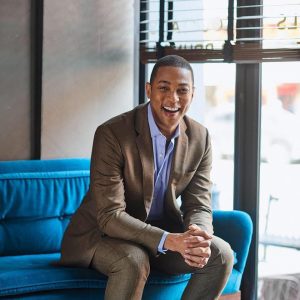
Don Lemon
ce. Federal law prohibits interference with religious worship, and state trespass laws apply if someone refuses to leave. However, if they don’t exist, no action is taken. Fort and Lemon have returned to civilian life after their arrests, but the shadow of their legal troubles still looms over them.
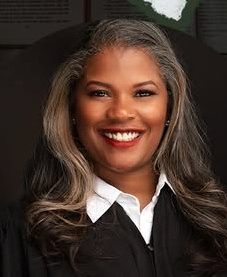
People shouted about freedom of the press, government overreach, and constitutional rights. But as Ohio Judge Laurel Beatty Blunt, who serves on the Ohio Tenth District Court of Appeals in the Columbus/Franklin County area, puts it in her viral post, the law doesn’t move at the speed of social media, and it definitely doesn’t operate on vibes.
The First Amendment authorizes freedom of speech, and immigrant communities often participate in social justice rallies, protests, vigils, and community actions, but understanding the legal line is essential.
Judge Beatty Blunt starts with a question that most people may skip: When you were out there, were you covering the protest, or participating in it? It sounds like a tiny difference, but legally, it changes everything. Journalists certainly do have First Amendment protections to gather and report news. And so do protesters, exercising their First Amendment rights to speak, assemble, and demonstrate. So, rightfully so, both roles are protected; however, not in the same way and not in every situation.”
“In this case, the distinction mattered so much that a judge initially refused to sign the arrest warrant. Same building, same event, exact words — but different legal analysis. As she put it, the distinction “sounds small, but legally it’s the whole ballgame,” many legal experts say.
“The judge initially refused to sign the arrest warrant, citing legal concerns over the evidence and Don Lemon’s role—whether he was a journalist or a protester. This case extends beyond Lemon; it’s about where we draw the line between covering a protest and participating in it,” Judge Blunt stated.
When asked whether the First Amendment applies, legal experts say that “The First Amendment is absolutely in the room; however, it just doesn’t get to sit in every seat, in every building, at every moment.
Time, place, and manner still matter.” And that is something that every immigrant reader should hold onto, or at least remember: “Individuals do have the right to speak, protest, and report, but the government can set constitutional rules on where, when, and how these activities happen. Context influences the legal outcome.”
Another community member asked whether a peaceful protest is protected even if someone participates rather than reports. Judge Beatty Blunt commented that peaceful protest is protected, but she added a necessary clarification: protection isn’t immunity. Rights don’t follow you everywhere you go, and courts look closely at whether someone stayed in the protest lane or wandered into the disruption lane. That’s where judges “start sharpening their pencils.”
For immigrant communities, this distinction matters. And since there are dozens of independent media companies out there that don’t always provide factual information when reporting on WhatsApp, Facebook, or community pages. Folks must be careful with what they believe in or read. Or attends events that promote specific agendas or propaganda.
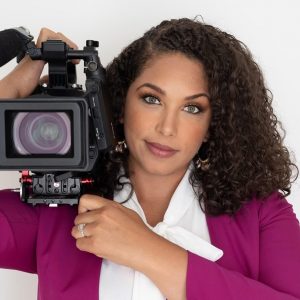
Georgia Fort
Some may attend as participants, others as observers, and many do both at once. The law may treat an individual differently depending on what they did in that moment. If you’re documenting, it helps to clearly identify yourself as media personnel, as I often do myself. And my mentors in this industry have always told me to avoid participating in chants or actions. If you’re protesting, it’s essential to know the rules of the space and keep your conduct peaceful. If you’re doing both, be aware that your role can shift in the eyes of the law based on what you do, not what you intended.
Judge Beatty Blunt isn’t defending or attacking Don Lemon or Georgia Fort. However, she is always doing what she always does: translating the law into plain English so people don’t get misled by headlines or social media arguments. Her message is simple.
“Rights exist, roles matter, and context determines how those rights apply. Understanding the law before you act can keep you from getting “cooked in the comments” — or caught in a legal situation you didn’t expect.”
The judge always concludes each Law 101 segment with this: “This is legal education, not legal advice. It’s about empowerment, clarity, and safety for communities that deserve to know how the system works.”
Support the New Americans magazine to continue to serve our community with precise news that affect the new American, immigrant and refugee community. https://paypal.com/donate/?hosted_button_id=8LHFS78NRNJJY&source=url